MCPAMine Clearance Planning Agency

Afghan humanitarian mine actionSince 1990

Field stories

The places and people behind the figures

Every account is drawn from MCPA's own field reports. Nothing is invented. Each story says what was finished, what was still planned, and which report it comes from.

All eight stories

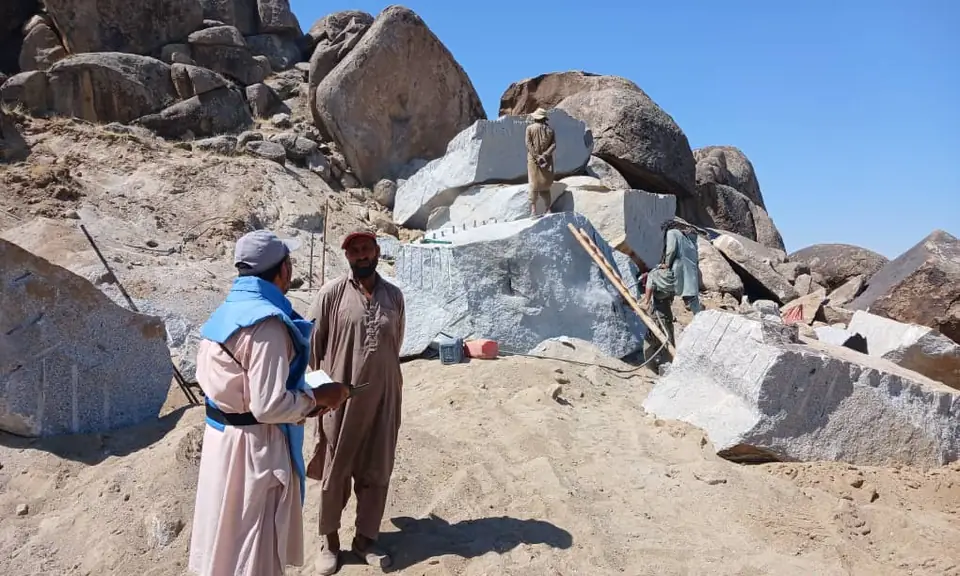
An MCPA deminer in a blue vest talks with a local man among the boulders of the village's stone mine.

01 · Clearance · Laghman · 2025

Shamati takes back its fields

Six teams, eight weeks, 3.6 million square metres around a village of 1,700 people, handed back on 12 July 2025.

Completed

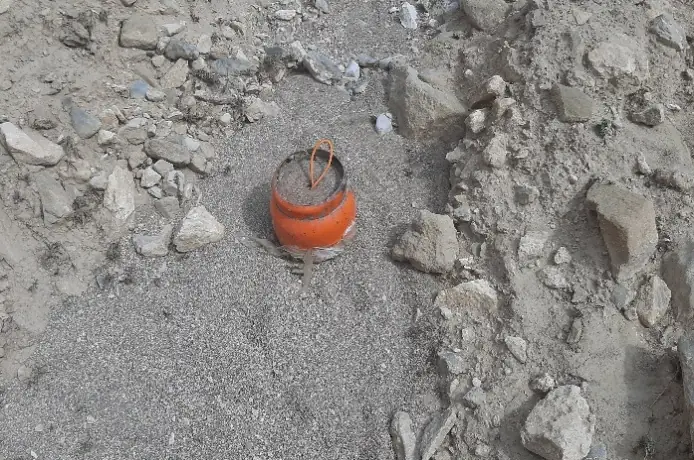
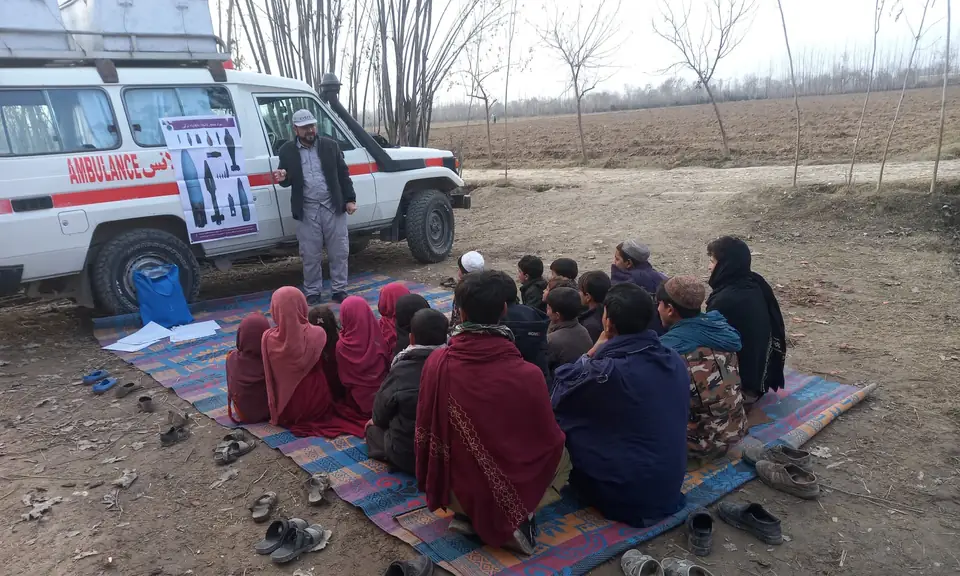
  1. 02What Mohammad Amin rememberedRisk education · Laghman · 2025A shepherd reported a wired gas canister days after a session for returning families. Weeks later, a flood brought a harder lesson.Sessions delivered
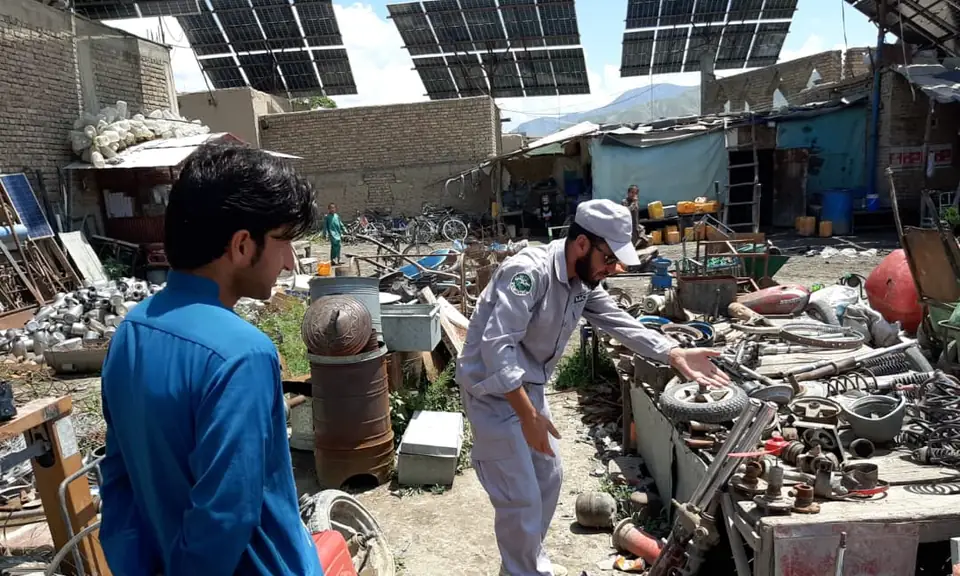
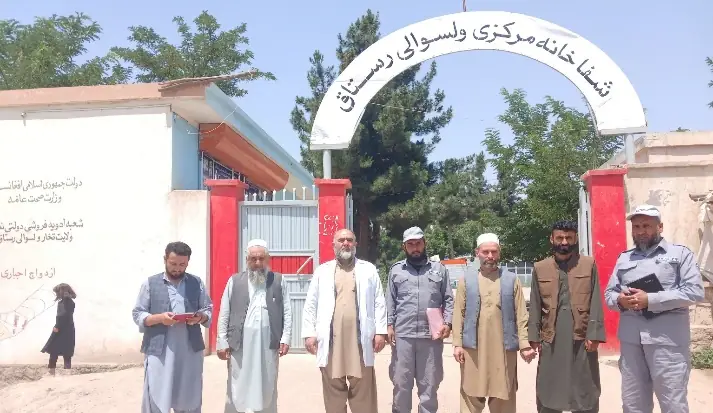
  2. 03Before the solar panels, the surveyorsSurvey · Nine provinces · 2024 to 2025A hospital with four hours of electricity a day, and the survey that had to come before its solar power.Survey completed
  3. 04The junk shop in Nahrin bazaarRapid response · Baghlan · 2026The owner showed the team two shells. Among the scrap, they found dozens more.Completed
  4. 05Qerghez, after the minesClearance · Kunduz · 2023 to 2024Improvised mines had closed off homes, a mosque and farmland in three villages. A farmer who lost his leg explains what they cost.Completed
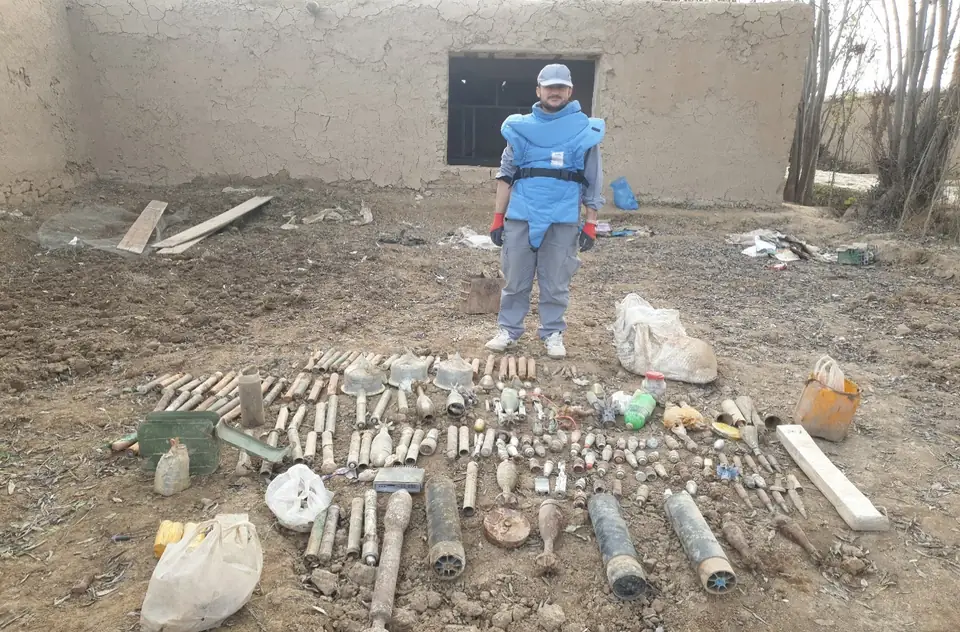
  5. 06The locked roomRapid response · Baghlan · 2024After a child was hurt, one call to the hotline led to the destruction of 743 explosive items.Completed
  6. 07Beyond the minefield: two referralsChild protection · Kunduz and Baghlan · 2024 to 2025305 children referred for support, among them a boy who received cleft surgery and a boy who received prosthetic hands.Completed
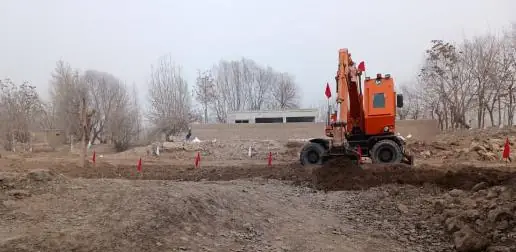
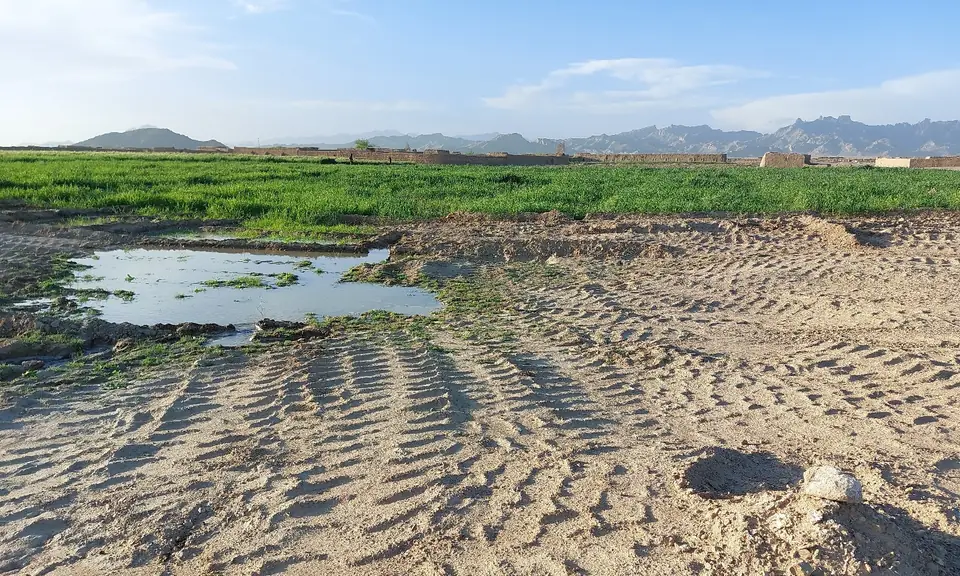
  7. 08Pasab, before and afterClearance · Kandahar · 2022 to 2023One hazard, photographed by the team that cleared it: marked in November, cleared in December, green by March.Cleared

How these stories are written

Faithful to the field report

MCPA's teams write case studies for donors during and after their projects. We have retold them for a wider audience, and in doing so we have:

  • used only events, figures and quotations found in the reports;
  • marked clearly what was completed, and what was only planned or pending;
  • withheld the names, villages and photographs of injured children, and of people whose naming could harm them;
  • removed the exact coordinates that appear on original field photographs.

Where several reports described the same project, we combined them into one story and used the latest figures.