MCPAMine Clearance Planning Agency

Afghan humanitarian mine actionSince 1990

Afghan humanitarian mine action · since 1990

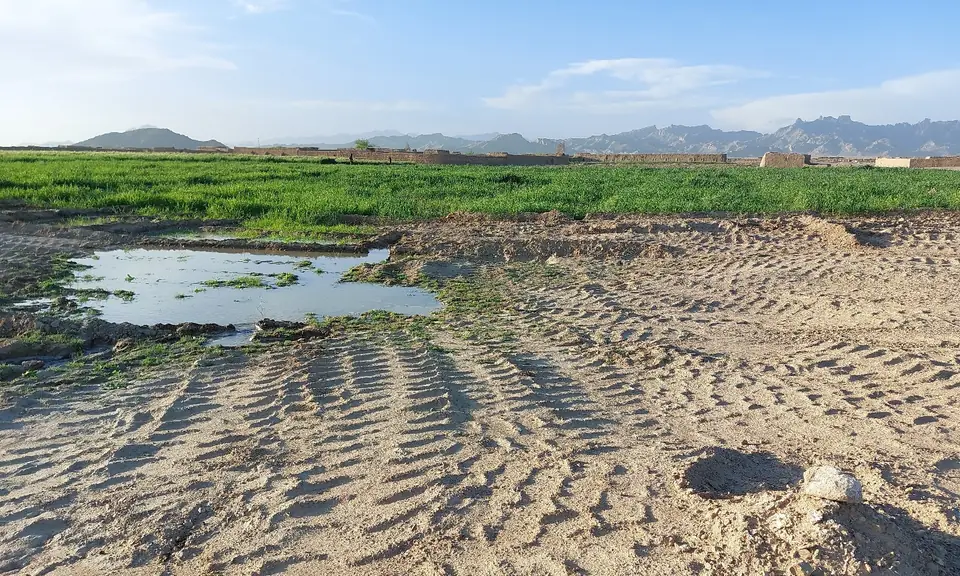
Where there were mines, there are fields, homes and schools.

For more than thirty years, MCPA’s Afghan teams have found and removed the explosives left by war in all 34 provinces. They have cleared 128.5M m², destroyed 266,480 explosive items and taught 888,824 people how to stay safe.

How land is released

  1. Suspected land
  2. Survey and mark
  3. Clear
  4. Hand back
  5. Return

From a suspected minefield to fields, homes and a school: the stages that return land to use.

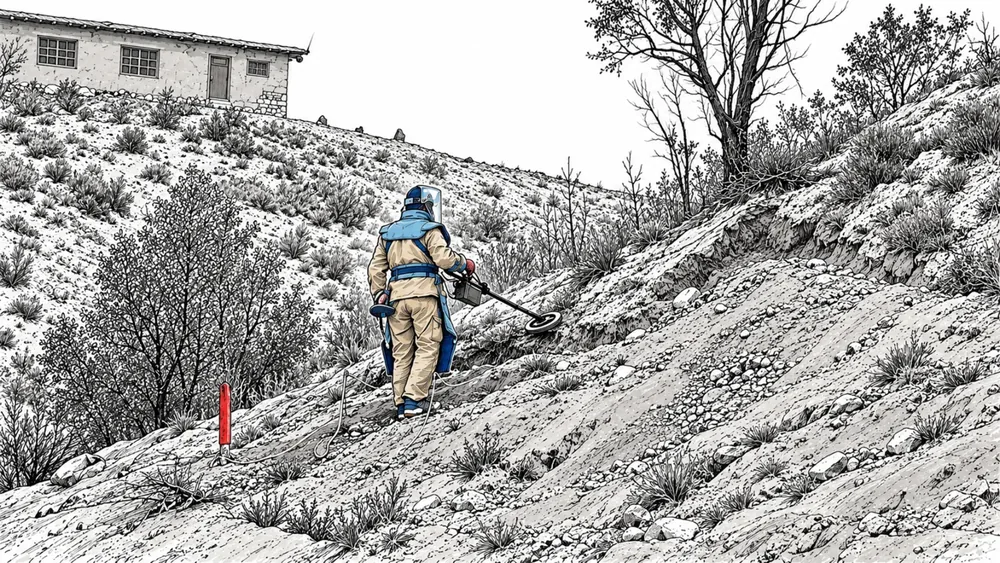
An illustration, not a map of a real place.

Ink drawing of a deminer in a visor and blast vest sweeping a steep hillside with a metal detector, a cable trailing behind him. A red marker stake stands in the ground below, and a house stands on the ridge above.
Illustration based on an MCPA field photograph.

Where MCPA began

In 1989, mines and explosive remnants of war killed or injured an average of twenty Afghans every day.

That December, MCPA began as a two-person cell under the United Nations, trialling the survey methods then being introduced in Afghanistan. Its founding job was the question every clearance depends on: where exactly is the danger, and where is it not?

On 15 March 1990 the cell became an Afghan non-governmental organisation, with a budget of USD 495,000. The survey it pioneered is known today as Non-Technical Survey; the data system it built that year became the model for national mine-action data.

Our history

The work

Red. White. Green.

Deminers paint danger red and the cleared path white. Everything MCPA does moves ground from one to the other, and then back into use.

  1. Find

    Survey

    Teams talk with the women and men who know the land, study the records and inspect suspected areas. Land with no evidence of danger is cancelled and released.

  2. Remove

    Clearance and disposal

    Manual deminers, machines and ordnance-disposal specialists clear confirmed hazards lane by lane. Quick response teams answer hotline calls.

  3. Return

    Handover

    Cleared land is checked, recorded and formally handed back for farming, homes, schools and roads.

  4. Teach

    Risk education

    Until a team reaches a village, knowledge keeps people alive. Paired women and men educators teach families to recognise, avoid and report explosive items.

What each stage involves

The record

Thirty-six years, counted square metre by square metre

Cumulative, from 1990 to May 2026, as recorded in MCPA's programme records.

128.5M m²of land cleared and released
374M m²surveyed and re-surveyed
266,480explosive items destroyed
888,824people reached by risk education
105+projects for 11 donor groups
USD 123.15Min donor funding, each project externally audited

Source: MCPA Organisational Profile (2026) · cumulative to May 2026 · about our sources

Field stories

What the numbers look like on the ground

Eight accounts from MCPA's own field reports. Nothing in them is invented, and each says what was finished and what was still planned.

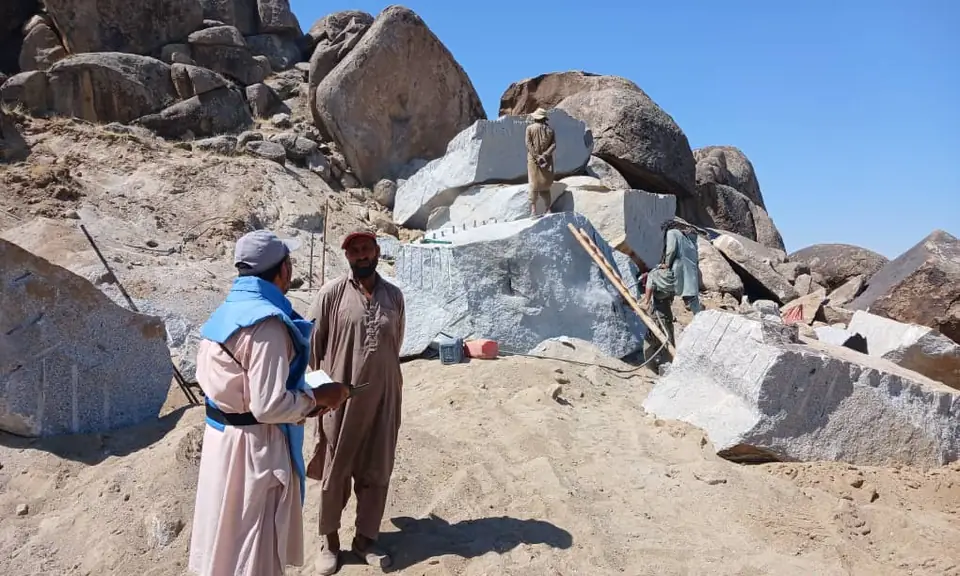
An MCPA deminer in a blue vest talks with a local man among the boulders of the village's stone mine.

Clearance · Shamati (1) · Laghman · 2025

Shamati takes back its fields

More than 16 million square metres around a village of 1,700 people were contaminated. In eight weeks, six teams cleared the 3.6 million the community needed most: the paths, the plots, the ground around the schools, the stone mine.

Completed · handed over 12 July 2025
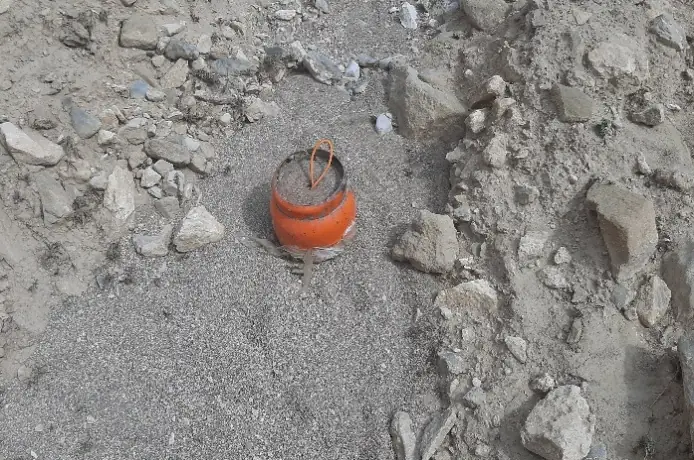
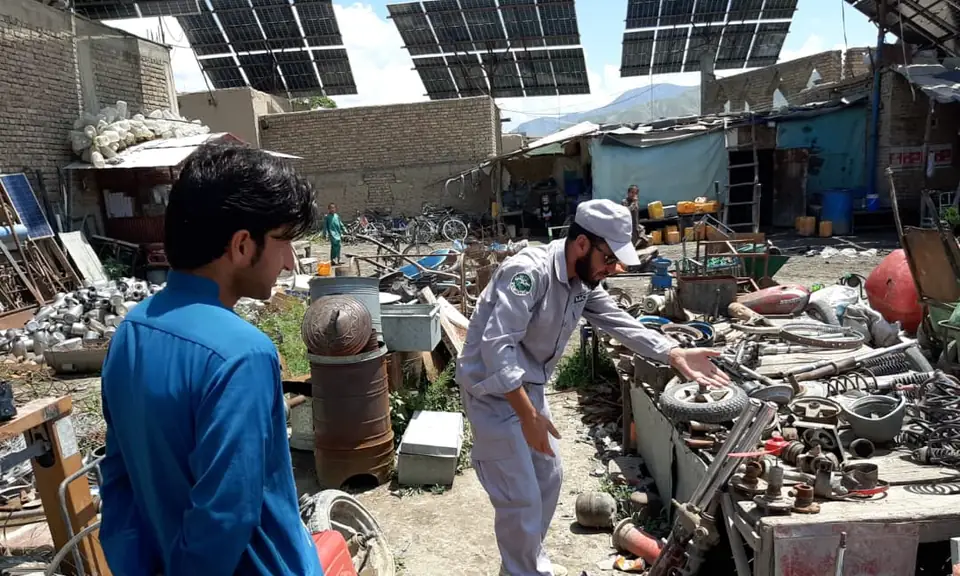
  1. 02What Mohammad Amin rememberedRisk education · Laghman · 2025Sessions delivered
  2. 03The junk shop in Nahrin bazaarRapid response · Baghlan · 2026Completed
  3. 04Pasab, before and afterClearance · Kandahar · 2022 to 2023Cleared

All eight field stories

Nationwide reach

All 34 provinces. One head office.

MCPA has delivered mine action in every province and all eight national mine-action regions, from clearance around a single village to non-technical survey across 26 provinces at once.

Reach is not clearance. This map shows where MCPA has worked. Contamination remains across Afghanistan, and new hazards still surface: floods move buried ordnance, and families returning home meet ground whose history they do not know.

Region-specific projects

  1. Central23
  2. South-East19
  3. South16
  4. East9
  5. North-East9
  6. North6
  7. Central Highlands2

West: covered by national survey programmes. Plus 36 nationwide and multi-province programmes, up to 26 provinces at once.

Explore regions and projects
Map of Afghanistan's 34 provinces, grouped into 8 mine-action regions. MCPA has delivered projects in every province. Shading shows where MCPA has worked, not land that has been cleared. Badakhshan (North-East region)Badghis (West region)Baghlan (North-East region)Balkh (North region)Bamyan (Central Highlands region)Daykundi (Central Highlands region)Farah (West region)Faryab (North region)Ghazni (South-East region)Ghor (West region)Helmand (South region)Herat (West region)Jawzjan (North region)Kabul (Central region)Kandahar (South region)Kapisa (Central region)Khost (South-East region)Kunar (East region)Kunduz (North-East region)Laghman (East region)Logar (Central region)Maidan Wardak (Central region)Nangarhar (East region)Nimroz (South region)Nuristan (East region)Paktia (South-East region)Paktika (South-East region)Panjshir (Central region)Parwan (Central region)Samangan (North region)Sar-e-Pol (North region)Takhar (North-East region)Uruzgan (South region)Zabul (South region)

Feedback and complaints

Something wrong? Tell us. You do not have to say who you are.

Anyone affected by MCPA's work, including community members, partners and our own staff, can raise a concern or a complaint, or tell us what we could do better. Messages go straight to our head office. You can write in Dari, Pashto or English.

For partners and donors

Accredited, audited, answerable

Accredited

By the Directorate of Mine Action Coordination; registered with the Ministry of Economy, No. 252.

To standard

Procedures aligned with the Afghanistan Mine Action Standards and IMAS, with external monitoring in the field.

Audited

Every project carries its own donor-mandated external audit. USD 123.15M delivered since 1990.

Evidence first

A computerised information system since 1990, the model for national mine-action data.